
Your Barrie Home Is Bleeding Heat Every Winter —
Here’s How Grant Money Fixes It for Almost Nothing Down
Most Barrie homes built before 2000 lose 25–40% of their heating energy through the ceiling, basement, and walls every winter. Provincial and federal grant programs exist specifically to close that gap — and most homeowners don’t know how close they already are to qualifying.
Barrie Homes Were Built for a Different Era of Energy Standards
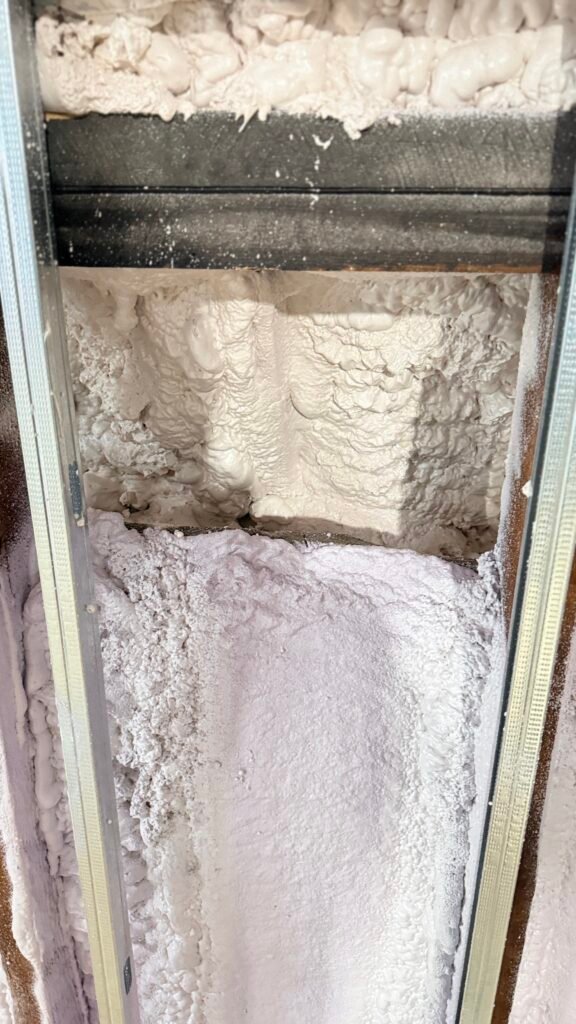
If your Barrie home was built before 1995, it was constructed to building standards that look nothing like what we know today about how buildings should perform in Ontario’s climate. Attic insulation targets from that era typically landed between R-12 and R-24. Current best practice in Barrie’s climate zone calls for R-60. The gap between those numbers is not a minor inefficiency — it is the reason so many Barrie households look at their Enbridge bill in January and feel like they are pouring money into a furnace that can never catch up.
Because that’s exactly what’s happening. Heat rises. In an under-insulated Barrie home, it rises straight through your ceiling and into your attic, where it does absolutely nothing useful before escaping into the outdoors. Your furnace runs to replace it. Your gas bill climbs. The cycle repeats every single day from October through April.
It’s Not Just the Attic
The attic is the most significant single source of heat loss in most Barrie homes, but it is not the only one. Two other zones consistently show up as major contributors in energy audits across Simcoe County:
Together, these three zones account for the majority of heating energy loss in Barrie’s pre-2000 housing stock. And all three are covered by Ontario and federal insulation grant programs.
How Bad Is the Problem in Barrie’s Climate Zone?
Barrie’s position in Simcoe County places it in one of Ontario’s more demanding heating climate zones. The city averages approximately 4,800 heating degree days per year — roughly 35% more heating demand than Toronto and significantly more than Hamilton or the Niagara Peninsula.
A home that might have acceptable energy performance in southern Ontario often has a genuinely poor one in Barrie, because insulation gaps that are merely inconvenient in a warmer climate become seriously costly here. The housing stock compounds this problem — over 60% of Barrie’s residential properties were built before 1990, precisely the era when insulation standards were at their lowest.
| Home Era | Typical Attic R-Value | Required Best Practice | Est. Annual Heating Overspend |
|---|---|---|---|
| Pre-1980 | R-8 to R-14 | R-60 | $900–$1,500 / year |
| 1980–1995 | R-12 to R-20 | R-60 | $600–$1,100 / year |
| 1996–2005 | R-20 to R-32 | R-60 | $350–$700 / year |
Grant Programs That Were Built Specifically for This Problem
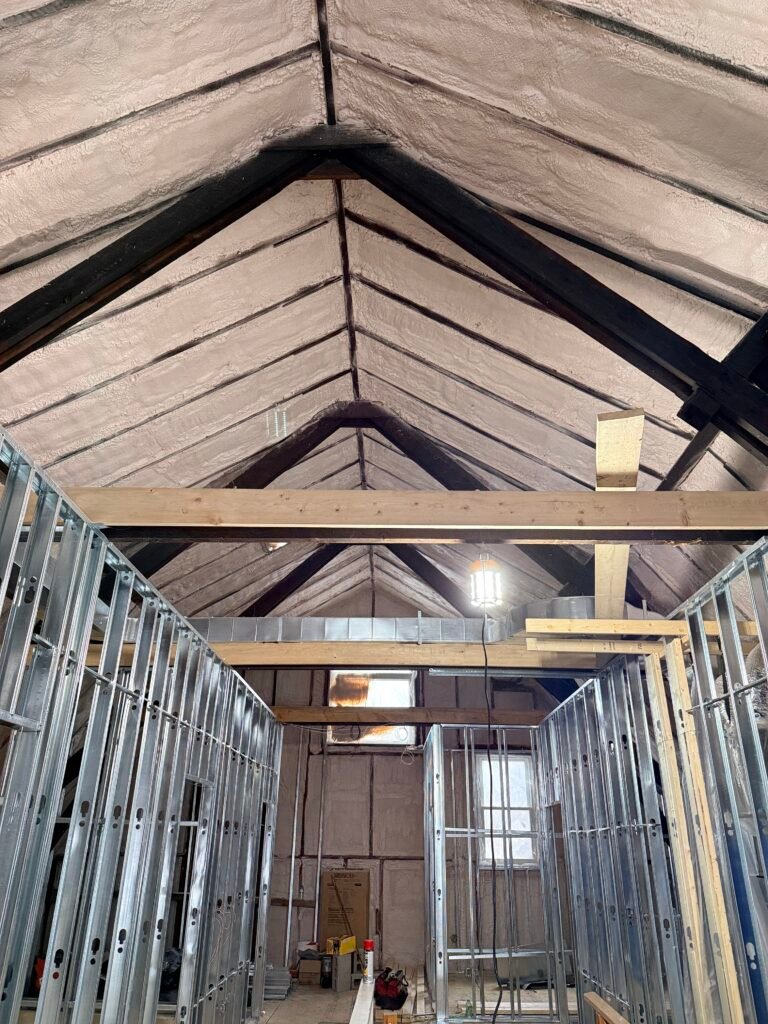
Both the provincial and federal governments recognized this exact problem and funded programs specifically to address it. These programs do not exist to subsidize optional improvements — they exist because an aging, under-insulated housing stock in a cold climate is a documented energy and affordability problem, and because Barrie homes have exactly the kind of baseline deficiency that triggers maximum grant eligibility.
Federal grant for eligible insulation upgrades plus a 0% interest loan up to $40,000 repayable over 10 years. Covers attic, basement, exterior walls, and air sealing.
Provincial rebate delivered through Enbridge Gas — layered on top of the federal grant. Amounts vary by upgrade type and improvement achieved.
Direct customer rebates for insulation upgrades reducing natural gas consumption. Claimable alongside both federal and provincial programs.
What the Solution Actually Looks Like for a Barrie Homeowner
A 1982 Barrie detached home, 1,800 square feet, currently spending approximately $2,900 per year on natural gas heating. Pre-retrofit energy audit identifies the attic at R-14, basement rim joists uninsulated, and no air sealing. The certified energy advisor recommends a combined attic, rim joist, and air sealing project scoped to grant-eligible specifications.
1982 Barrie Detached — Full Grant Breakdown
- Total project cost: $9,200
- Canada Greener Homes Grant: $5,200
- Ontario HER+ rebate: $1,100
- Audit cost reimbursement: $600
- Net out-of-pocket after all grants: $2,300
- Estimated annual heating saving: $1,050 at current gas prices
- Simple payback on net cost: approximately 26 months
- Total 10-year saving net of all costs: approximately $8,200
The One Step That Changes Everything
The entire grant process begins with one appointment: a pre-retrofit energy audit with a certified energy advisor. This single appointment moves you from having heard about grants to having a specific, documented plan with actual numbers for your specific Barrie home.
Here is what the pre-retrofit audit gives you:
- Your home’s current EnerGuide rating and verified energy performance baseline
- Identification of every zone in your home that qualifies for grant-eligible upgrades
- Specific R-value targets for each eligible zone
- A projected grant amount range for your specific project
- The official documentation that formally opens your grant application
The audit typically costs $400–$600 and is reimbursable through grant programs. It takes two to three hours at your Barrie home. It is the one step that everything else depends on — and the one step you can take this week if your home was built before 2000.
What Happens After the Audit
Once your pre-retrofit audit is complete, the process follows a clear and documented sequence:
| Stage | What Happens | Typical Timing |
|---|---|---|
| Pre-retrofit audit | Baseline established, eligible zones identified, grant estimates produced | Week 1–3 |
| Contractor selection | Review audit report, collect grant-specific quotes, confirm product eligibility | Week 3–5 |
| Installation | Grant-eligible insulation installed to audit specifications | Week 5–7 |
| Post-retrofit audit | R-value and zone coverage verified, EnerGuide improvement confirmed | Week 7–11 |
| Application submission | Full documentation submitted to federal and provincial portals | Week 11–13 |
| Grant payment | Funds issued to homeowner | Week 16–22 |
The key to keeping that timeline clean is starting early — before spring contractor schedules fill, before auditor queues extend, and before another heating season passes without action.
About Trust Build Windows and Doors
Trust Build Windows and Doors brings the showroom to you. Our in-home consultation approach means our representatives come to your Barrie home with physical product samples, catalogues, and live demonstrations — including side-by-side glass samples showing the real visible and performance differences between double and triple-pane windows, door frame comparisons between steel and fiberglass, and complete product ranges so you can see and feel what you are choosing before you decide anything.
We offer 0% financing for 12 months on qualifying projects and serve homeowners across Barrie, the GTA, Durham Region, and Kawartha Lakes. Quality products, honest advice, delivered on your terms — in your home, with zero pressure.