


4 Incredible Benefits of Installing Low-E Glass Residential Windows
Due to the advancements in insulation, protection, and solar filtration, choosing the right glass for your windowpane might get confusing. Low-E glass has gained popularity over the years and the market is expected to reach an estimate of $39.4 billion by 2024. It’s a top choice for most residential windows. Read on to find out the benefits of this super-powered glass:
What is Low-E Glass?
Low-E stands for low emissivity; this is an invisible window coating designed to minimize the penetration of Ultraviolet (UV) and Infrared light while allowing as much natural light into the house as possible. It keeps your house warmer in the winter by reflecting segments of the sun’s light into the home, and vice versa in the summer, keeping your house cooler.
Why Should You Install Low-E Glass Residential Windows?
Reduces Energy Costs
The exterior light that comes through your windows is a significant source of heat. This is why your house starts to heat up by midday in the summer. When applied to windows, Low-E helps block infrared lights from penetrating the glass from the outside. Being an energy-efficient option, Low-E helps retain the heating/cooling energy, which, in turn, saves costs associated with heating/cooling systems.
Limits the Destructive UV Rays
UV and Infrared light are not only harmful to you, but with prolonged exposure, the sun’s UV rays also beat down your furniture and cause the color on fabrics to fade. The Low-E coating helps minimize ultraviolet (UV) light, saving your carpets, furniture, drapes, and floors from sun damage and ensuring its longevity.
All-Natural Light Is Not Blocked
Although Low-E windows block infrared light and UV light, visible light is freely passed through. Although slightly reduced, the windows allow plenty of natural light to brighten your room, reducing your cost for in-home lighting.
Reduces Condensation Marks
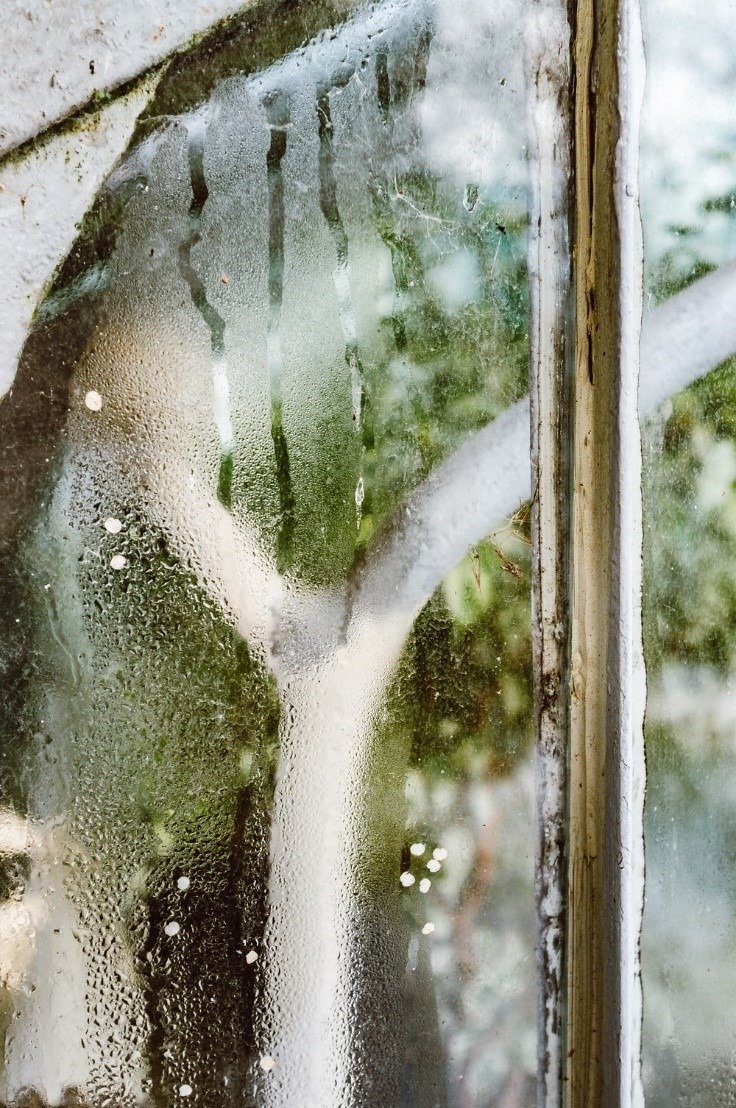
Low-E glass eliminates condensation marks that are present during warmer months. Moisture is created when hot air comes in contact with cold window surfaces and spreads across the window frame. The low-E glass reflects unwarranted energy into the direction from which it came, keeping your glass looking clean without any water droplets.
If you’re looking for top-notch craftsmanship at affordable rates, reach out to us.
We’re a local company that offer Window Installation Services Toronto. Our window replacements and Door Installation Services Toronto offer homes with modern enhancements that last years without fault!
Reach out to us at 1-800-563-1273 or email at info@trustbuildwindows.com.