


THREE TYPES OF CONDENSATIONS OF THE WINDOW GLASS
Condensation on Exterior Surface of Glass From the Street
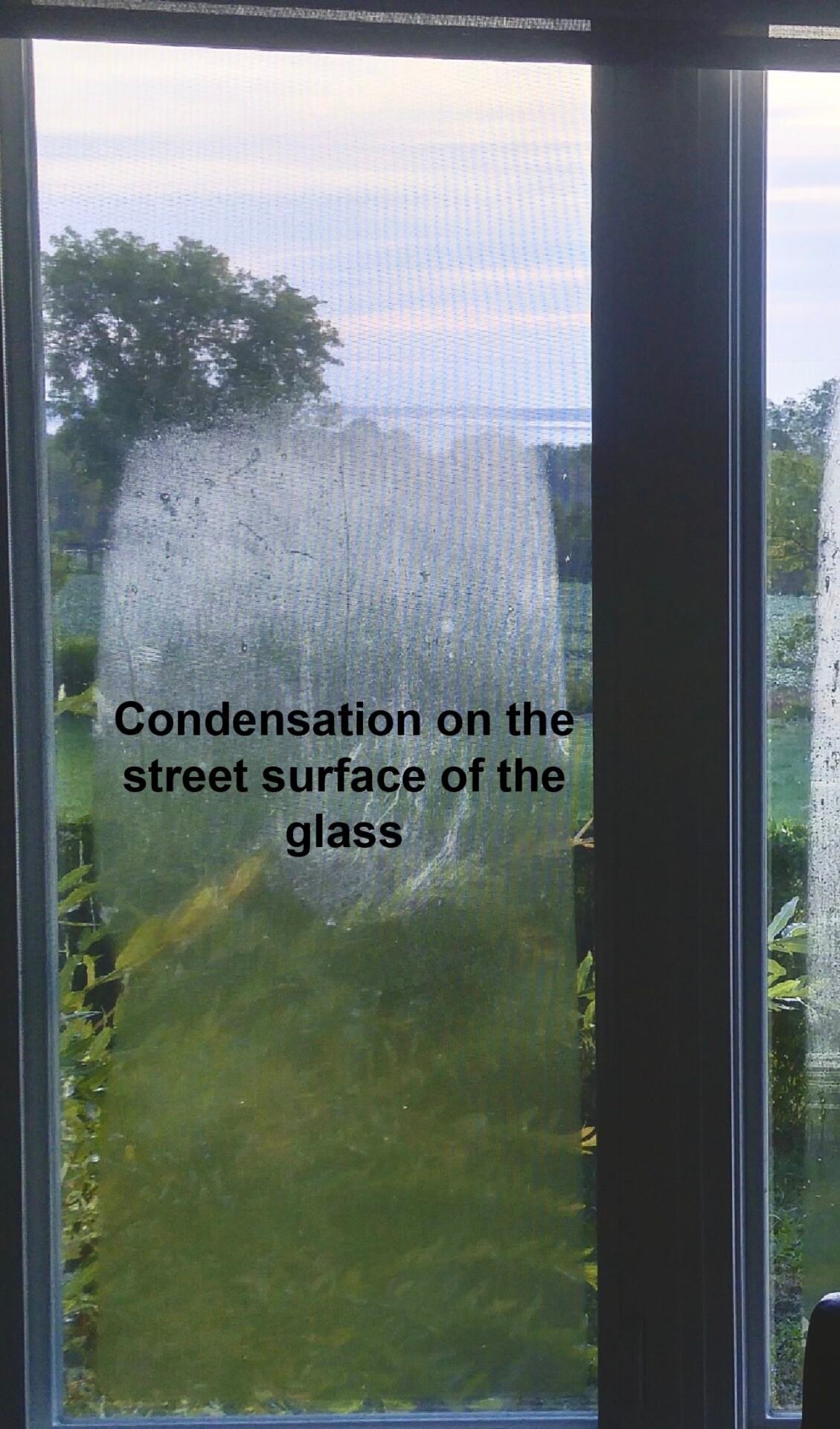
This kind of condensation will highlight the window’s superior quality and insulation rather than its flaws.
Why did it accumulate—perhaps because you didn’t have it before—after you replaced the window?
This kind of effect typically occurs early in the morning.
This morning dew remains on the glass until the sun rises, at which point it vanishes.
Because of the draft from the old windows, warm air from the interior of the house was able to pass through, warming the glass’s exterior and drying out the dew.
The temperature of the exterior glass surface of a newly installed, fully insulated window remains unaffected by the temperature of the house interior until the sun rises.
This kind of condensation is beneficial.
Condensation on Exterior Surface of the Glass Inside the House
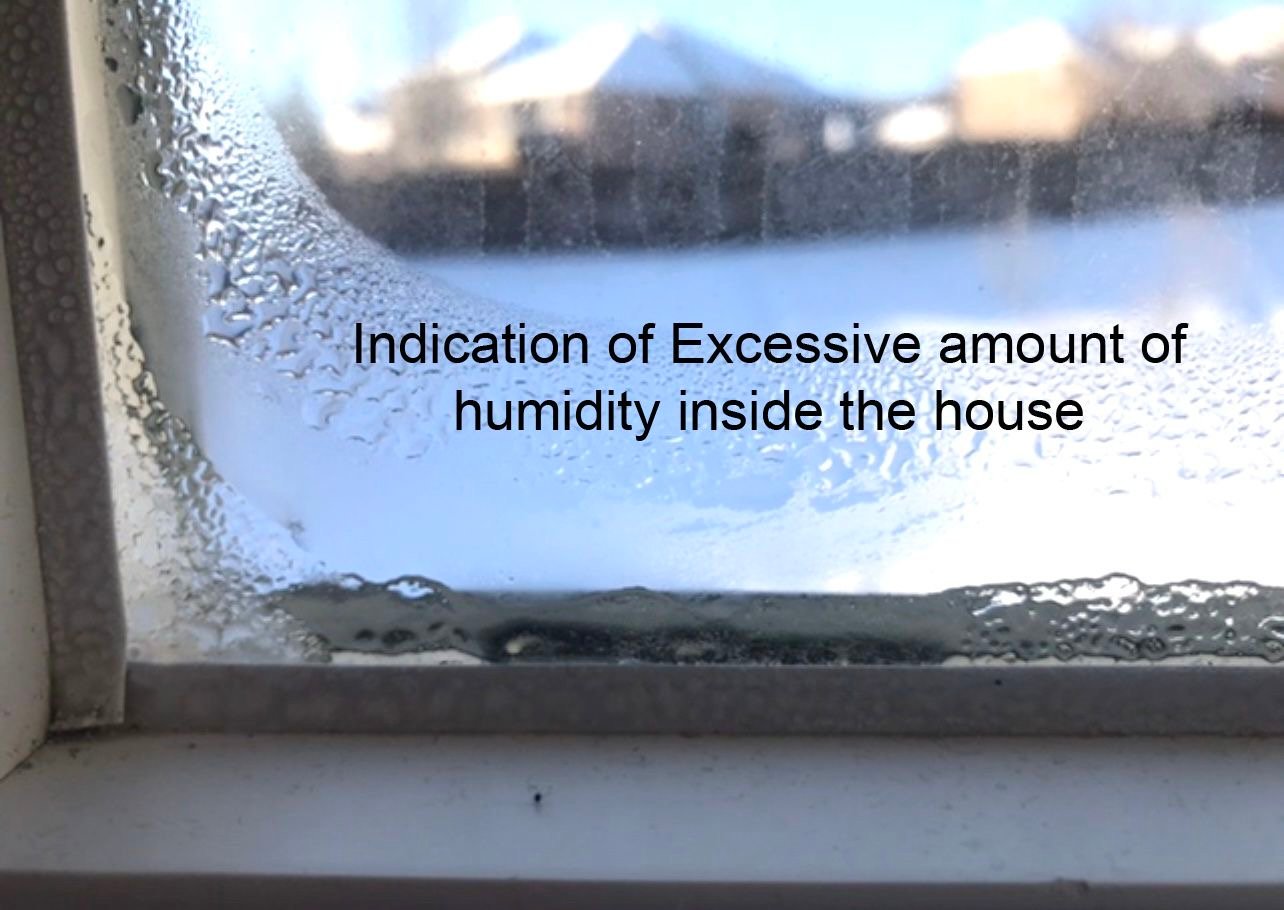
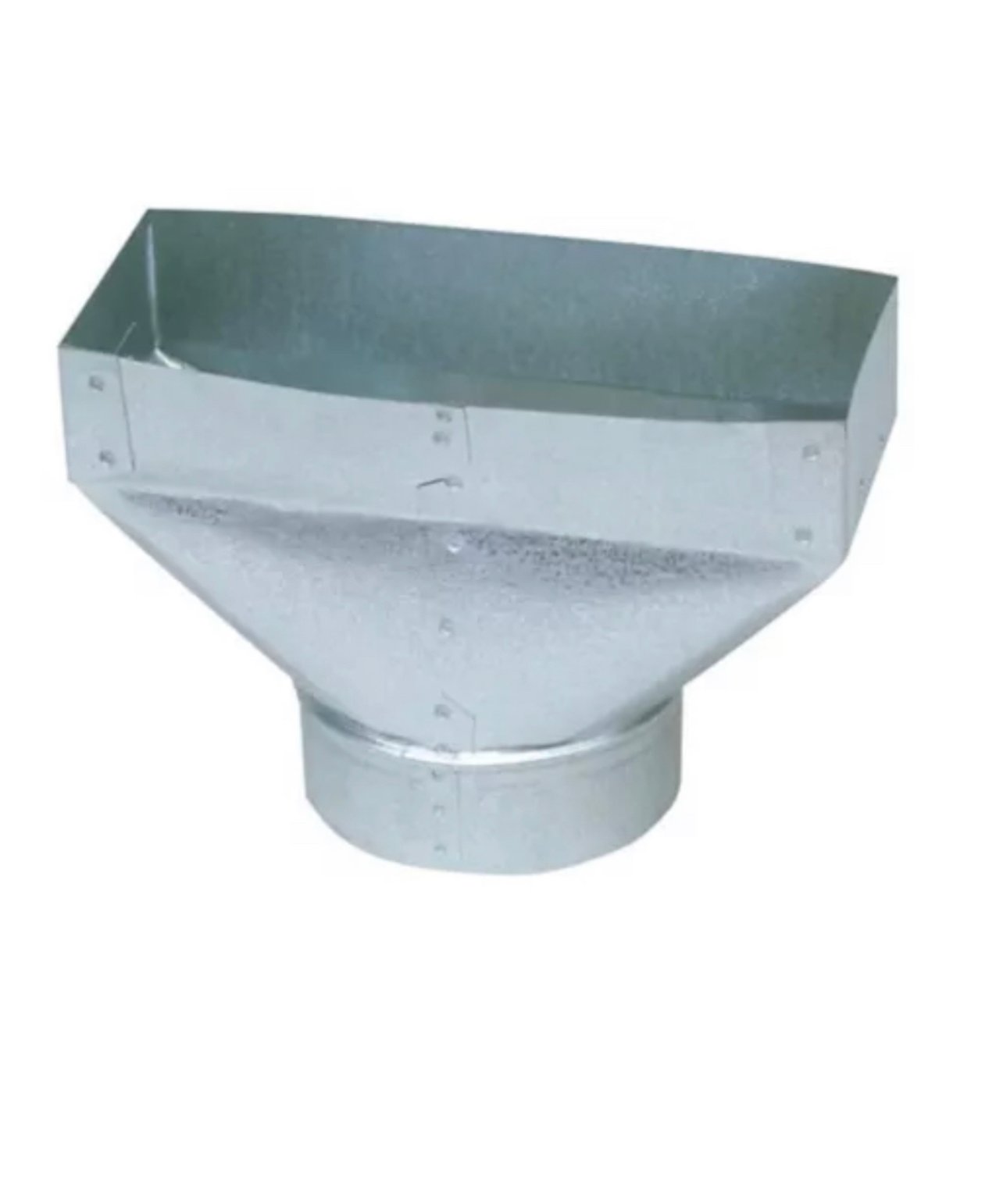
The following factors may contribute to this kind of condensation: windows covered in broken glass; blinds or curtains; the house’s ability to circulate air; a vent (universal boot) on the floor; and a high relative humidity.
Open curtains, blinds, or shatters to allow airflow from the vent (universal boot) on the floor beneath the window to reach the window. Windows ought to be open to the air inside your home and not always closed off.
If you are unable to leave curtains, blinds, or shakers open all the time, at least leave them open during the day.
Even in the winter, open your windows for a brief period of time to let some fresh air in.
Move the furniture if it blocks the floor vent (Universal Boot) so that air can flow straight to the window.
Switch off the humidifier. Remember that your furnace may have a humidifier attached to it. After checking it, turn it off.
Think about installing a heat recovery ventilator (HRV).

the potential for ice to form on the glass in extremely cold temperatures.
A tiny layer of ice forming on the glass of the door or window is normal. The interior surface of glass will be significantly colder in colder weather, and small condensation or ice formation may occur when warm air comes into contact with cold glass. This is not a sign of a broken glass unit.
Condensation Between the Glass
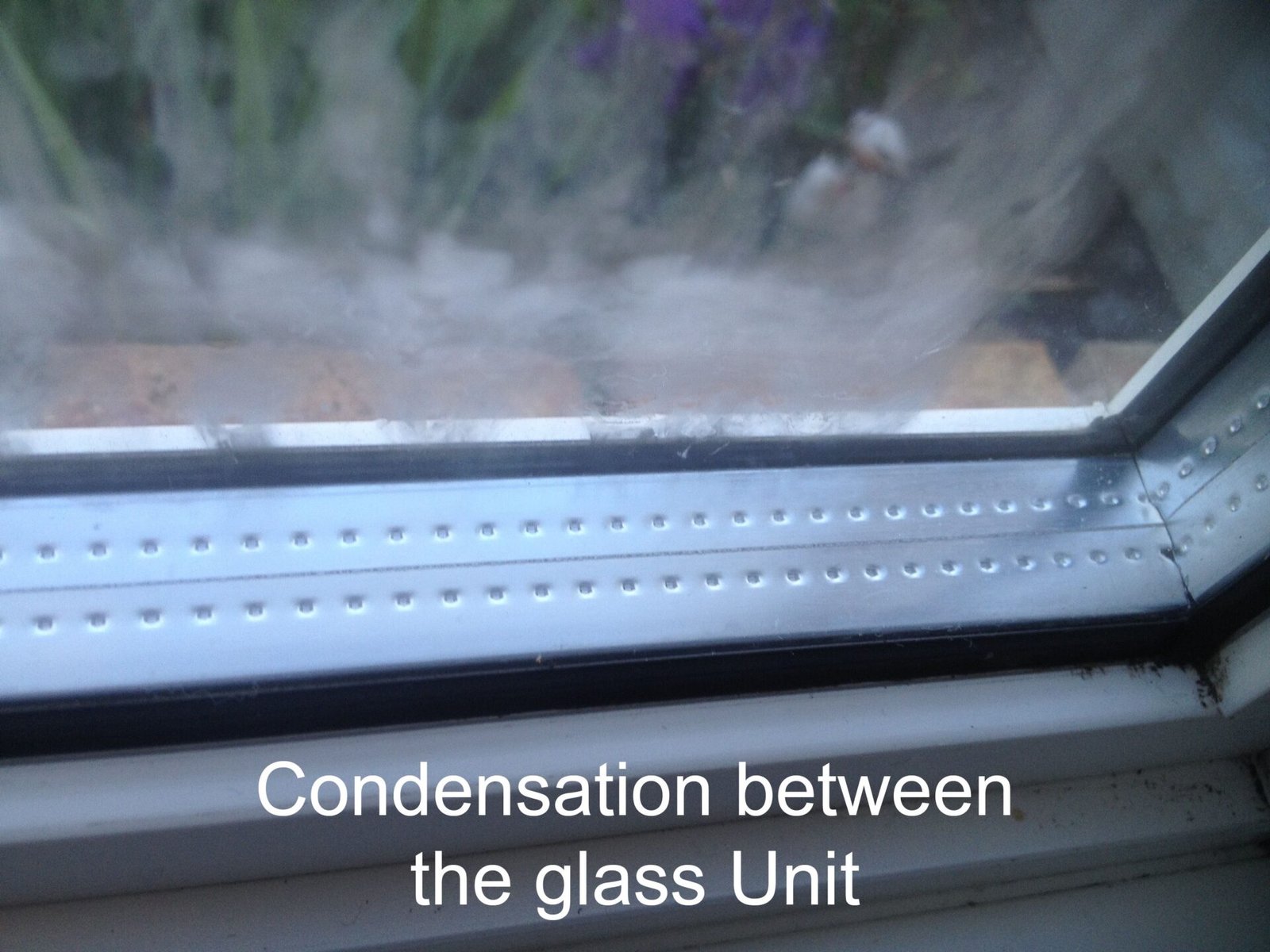
If there’s condensation between the glasses, the glass unit probably broke and the argon gas leaked out. The glass unit needs to be changed.