
What South Barrie and Allandale Homeowners Are Actually Saving
A Neighbourhood-by-Neighbourhood Look at Insulation Grant Returns in Barrie’s Most Active Housing Markets
South Barrie and Allandale are home to some of the highest concentrations of pre-1990 housing stock in Simcoe County — and some of the most compelling insulation grant returns in the region. Here is what the numbers actually show.
Why Barrie’s Established Neighbourhoods Tell the Clearest Energy Story
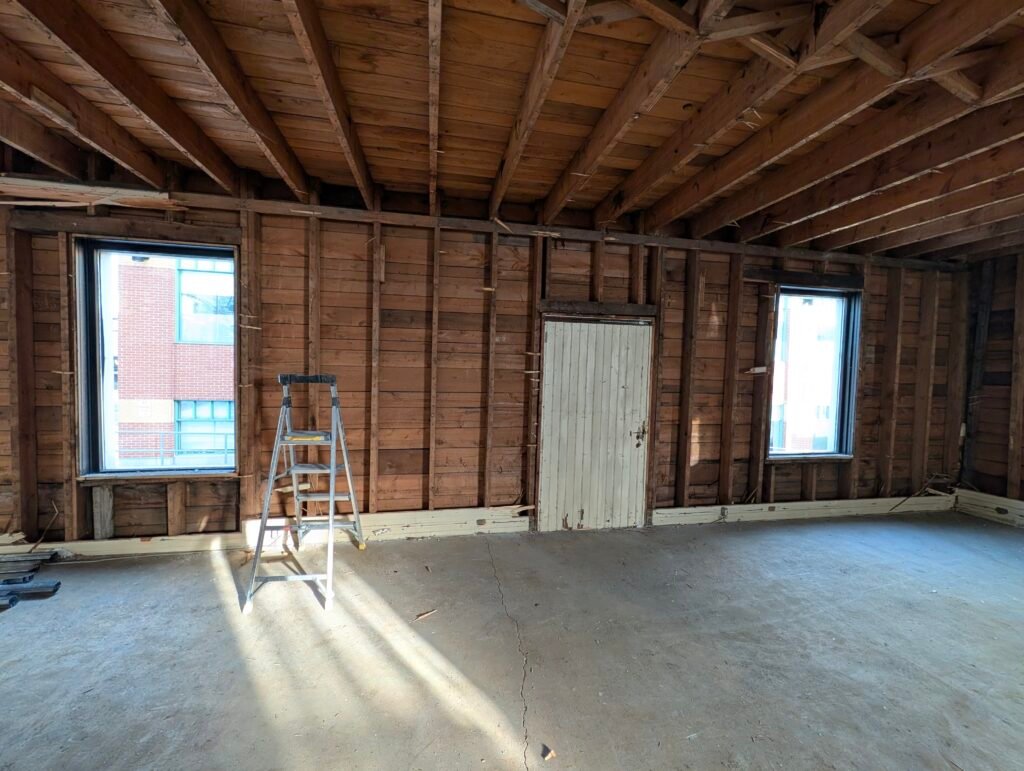
When energy advisors and insulation contractors discuss where the most impactful grant opportunities are concentrated in the Barrie market, the same neighbourhoods come up consistently: South Barrie, Allandale, Painswick, and the older streets around Bayfield and Dunlop. Not because these are poor neighbourhoods — they aren’t. But because they were built predominantly in the 1960s through 1980s, a construction era defined by insulation standards that have since been shown to be drastically inadequate for Barrie’s climate.
The result is that these neighbourhoods contain a high density of homes with exactly the kind of significant energy performance gap that Ontario’s grant programs were designed to address. And because these homes are also well-maintained, well-occupied, and often in the process of being renovated by new owners, the insulation grant opportunity in South Barrie and Allandale is both large and currently active.
This piece walks through the neighbourhood context, the grant returns that homeowners in these areas are realistically achieving, and three representative case profiles drawn from the housing stock typical of each area.
The Neighbourhood Profiles: What the Housing Stock Looks Like
Before running numbers, it is worth grounding the discussion in what each neighbourhood’s housing stock actually looks like from an energy performance perspective. These characteristics directly determine both grant eligibility and likely return.
Blake St, Cundles, Essa Rd corridors
Allandale Rd, Bayfield, Ferndale corridors
Yonge St, Livingstone, Sanford corridors
The ROI Numbers: What Homeowners in These Neighbourhoods Are Realistically Achieving
The following case profiles are drawn from the typical housing characteristics of each neighbourhood. They use conservative mid-range estimates for project costs, grant amounts, and heating savings. Actual results vary based on home size, current insulation levels, scope of work, and the specific grant programs accessed.
Case Profile 1 — Allandale, 1971 Bungalow
| Current annual heating cost (est.) | $3,400 |
| Project scope | Attic (R-10 to R-60) + rim joists + full air sealing |
| Total project cost | $8,600 |
| Canada Greener Homes Grant | $5,400 |
| Ontario HER+ rebate | $1,200 |
| Audit reimbursement | $550 |
| Net out-of-pocket cost | $1,450 |
| Annual heating saving (est.) | $1,260 / year |
| Simple payback on net cost | 14 months |
| 10-year saving net of all costs | $11,150 |
Case Profile 2 — South Barrie, 1979 Two-Storey
| Current annual heating cost (est.) | $2,900 |
| Project scope | Attic (R-14 to R-60) + rim joists completion + air sealing |
| Total project cost | $9,200 |
| Canada Greener Homes Grant | $5,000 |
| Ontario HER+ rebate | $1,000 |
| Audit reimbursement | $500 |
| Net out-of-pocket cost | $2,700 |
| Annual heating saving (est.) | $1,050 / year |
| Simple payback on net cost | 31 months |
| 10-year saving net of all costs | $7,800 |
Case Profile 3 — Painswick, 1988 Detached
| Current annual heating cost (est.) | $2,500 |
| Project scope | Attic (R-20 to R-60) + comprehensive air sealing |
| Total project cost | $7,400 |
| Canada Greener Homes Grant | $3,800 |
| Ontario HER+ rebate | $850 |
| Audit reimbursement | $450 |
| Net out-of-pocket cost | $2,300 |
| Annual heating saving (est.) | $730 / year |
| Simple payback on net cost | 38 months |
| 10-year saving net of all costs | $5,000 |
The Compounding Factor: What These Numbers Look Like With Gas Price Increases
The three case profiles above use today’s natural gas prices and hold them constant across the 10-year projection. Ontario natural gas retail prices have increased at an average rate of roughly 4–6% per year over the past decade, driven by commodity markets, infrastructure investment, and scheduled carbon pricing increases.
For a South Barrie homeowner saving $1,050 per year at today’s prices, a 4% annual gas price increase produces annual savings that grow each year — reaching approximately $1,554 by year 10. The 10-year total saving grows from $7,800 in the flat-price model to over $11,400 when gas price inflation is included at a modest 4% annual rate.
This dynamic makes earlier action consistently more valuable than later action — not just because of lower energy costs in the intervening years, but because the compounding savings curve starts from a higher base the sooner the upgrade is completed.
What the Audit Tells You About Your Specific Home
The three case profiles in this article are illustrative. Your specific home in South Barrie, Allandale, or Painswick will have its own current R-values, its own eligible zones, and its own grant calculation. The pre-retrofit energy audit is the tool that translates neighbourhood-level estimates into home-specific numbers.
For any homeowner in these neighbourhoods who owns a pre-1995 home, the audit appointment is the one step that produces:
- Your home’s current EnerGuide rating and verified insulation levels in every zone
- Identification of every zone eligible for grant-funded upgrades
- R-value targets for each zone and the specific grant amounts those targets unlock
- A realistic total grant range for your property specifically
- The official pre-retrofit documentation required to open your grant application
The audit costs $400–$600 and is reimbursable through grant programs. It is the one appointment that converts neighbourhood-level estimates into your home’s actual numbers.
South Barrie and Allandale: A Summary Comparison
| Neighbourhood | Typical Build Era | Typical Attic R-Value | Typical Net Project Cost | Typical Annual Saving |
|---|---|---|---|---|
| Allandale | 1958–1982 | R-8 to R-14 | $1,200–$2,200 | $1,100–$1,400/yr |
| South Barrie | 1965–1985 | R-10 to R-18 | $1,800–$3,200 | $900–$1,200/yr |
| Painswick | 1975–1995 | R-14 to R-22 | $2,000–$3,500 | $650–$950/yr |
Ranges reflect homes with no significant insulation upgrades since construction. Combined federal and provincial grant stacking applied. Heating savings based on Barrie’s approximately 4,800 annual heating degree days.
About Trust Build Windows and Doors
Trust Build Windows and Doors serves homeowners across South Barrie, Allandale, Painswick, and communities throughout Simcoe County, the GTA, Durham Region, and Kawartha Lakes. We bring the entire product selection process directly to your home — our representatives arrive with physical window and door samples, catalogues, and live demonstrations.
You can see and feel the real difference between double and triple-pane glass side by side. You can hold and compare steel versus fiberglass door frames in your own space. You decide what suits your home with full information in hand and zero pressure from a showroom environment.
We offer 0% financing for 12 months on qualifying projects.