
Trust Build Windows and Doors | Barrie Home Energy Blog | Common Mistakes
How to Avoid the 6 Most Costly Grant Application Mistakes
Barrie Homeowners Make With Insulation Programs
Each of these errors is completely preventable. Together they are costing Barrie homeowners thousands of dollars in lost grant funding every year — and every single one can be avoided by knowing what they are before you start.
Why So Many Barrie Homeowners Don’t Collect the Grant Money They’re Entitled To
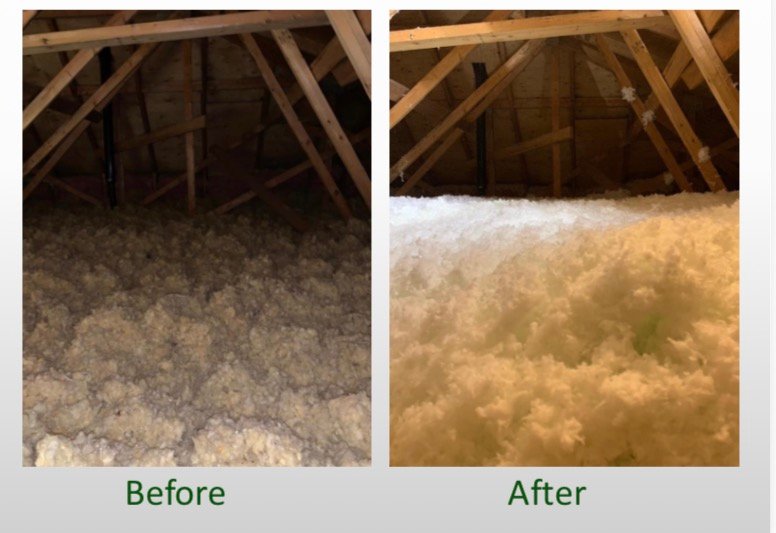
Ontario’s insulation grant programs aren’t complicated by design. They have clear steps, published requirements, and documented timelines. And yet a meaningful percentage of Barrie homeowners who start the process either collect far less than they qualify for, face significant delays, or lose their eligibility entirely — not because the programs are unfair, but because they made one or more avoidable errors along the way.
None of the mistakes in this article require specialist knowledge to avoid. They require only knowing what they are before you start — which is exactly what this guide provides. If you haven’t yet begun your grant application, reading this first is among the most financially valuable 10 minutes you can invest.
1 Starting Any Insulation Work Before Completing Your Pre-Retrofit Energy Audit
This is the most expensive and most irreversible mistake a Barrie homeowner can make when pursuing insulation grant funding. The pre-retrofit energy audit establishes your home’s baseline energy performance before any upgrades are completed. This baseline is not optional — it is the reference point against which the program measures your improvement, and without it, there is no improvement to measure and no grant to pay.
It does not matter how much insulation you installed, which contractor you used, or how dramatically your heating bill dropped. If any portion of the eligible insulation work was completed before the pre-retrofit audit was filed and confirmed, the work is disqualified from grant eligibility. The programs are unambiguous on this point.
“`
✅ How to Avoid It
Book your certified energy advisor before you contact a single insulation contractor. Your audit appointment should be confirmed and completed before you collect your first quote. Use the audit report itself as the specification document you bring to contractor meetings — it tells contractors exactly what R-value targets to hit and which zones to cover.
“`
2 Choosing a Contractor Based on Price Without Verifying Grant Experience
In a standard renovation, hiring the lowest bidder is a judgment call with manageable downside. In a grant-eligible insulation project, it is a decision that can cost you several thousand dollars in denied funding — on top of whatever remediation work is required to fix the installation.
Grant-eligible insulation projects require specific product types, specific R-value installations in specific zones, and specific documentation provided in a specific format. Contractors who don’t regularly complete grant projects often don’t know these requirements at the level of detail that matters. They may install a product that performs well but isn’t on the program’s approved list. They may hit a good R-value but in a zone the program doesn’t cover. They may complete the project without producing the documentation your post-retrofit audit requires.
Every one of these errors looks like a finished insulation job from the homeowner’s perspective. None of them qualify for the grant you expected.
“`
✅ How to Avoid It
Request a list of grant-completed projects before signing any contract. Ask specifically about post-retrofit audit outcomes. A contractor who has consistently passed post-retrofit audits on first submission is the contractor you want. A higher quoted price from that contractor almost always produces a lower net out-of-pocket cost than a cheaper bid that fails the post-retrofit stage.
“`
3 Installing the Wrong R-Value or Covering the Wrong Zones
Grant programs pay out based on achieving specific R-value targets in specific insulation zones — not based on how much insulation was installed or how much the heating bill dropped. This leads to a surprisingly common problem: homeowners who completed a real insulation upgrade and improved their home’s performance meaningfully, but still had their grant application denied or reduced because the installation didn’t match the program’s zone and R-value requirements precisely.
This happens most often when a contractor installs to a comfortable middle-ground R-value — say R-40 in an attic — rather than the R-60 that triggers the maximum grant amount. It also happens when a contractor addresses the most accessible zones rather than the zones the program specifies as eligible. In both cases, the homeowner paid for an upgrade and received less grant funding than a properly scoped project would have produced.
“`
✅ How to Avoid It
Bring your audit report to every contractor meeting and ask each one to quote specifically against the zones and R-values it identifies. If a contractor proposes a different scope or different targets, ask them in writing to explain how their proposal qualifies for the grant amounts documented in your audit report. Any hesitation on that question is informative.
“`
4 Missing the Post-Retrofit Audit Window
Ontario’s insulation grant programs require a post-retrofit energy audit to be completed within a specific timeframe after installation is finished. The exact window varies by program but is typically 90–180 days from installation completion. Missing this window doesn’t just delay your grant — depending on the program, it can eliminate your eligibility for that project entirely.
This mistake is more common than it should be because the post-retrofit audit often feels like the finish line rather than a mandatory step within a deadline. Homeowners complete their installation, feel satisfied with the result, and let the audit booking drift while other priorities take over. By the time they circle back, the window has closed.
“`
✅ How to Avoid It
Ask your certified energy advisor at your pre-retrofit audit to pencil in a tentative post-retrofit appointment for eight to ten weeks after your anticipated installation date. Update that booking as your project timeline becomes clearer. Having a confirmed appointment on the calendar before the work is done is the simplest way to ensure the window never becomes a problem.
“`
5 Applying to Only One Grant Program When Multiple Programs Apply
Most Barrie homeowners who pursue insulation grants are aware of one program — usually the Canada Greener Homes Grant because it receives the most publicity. A meaningful portion of those homeowners are unaware that they may also qualify for the Ontario Home Efficiency Rebate Plus program, Enbridge Gas rebates, or other utility-level incentives that can be claimed simultaneously or in sequence.
Applying to only one program when two or three apply doesn’t just leave money on the table — in some cases it leaves a substantial portion of your project cost uncovered that could have been funded. The federal and provincial programs were explicitly designed to complement each other. Their application processes are separate, their documentation requirements overlap significantly, and the same pre- and post-retrofit audits typically satisfy both programs.
“`
✅ How to Avoid It
During your pre-retrofit energy audit appointment, ask your certified energy advisor to identify every grant and rebate program for which your specific project qualifies. Their job is to know this information and most will provide it proactively — but asking directly ensures nothing is missed.
“`
6 Submitting an Incomplete Application and Waiting Passively for a Response
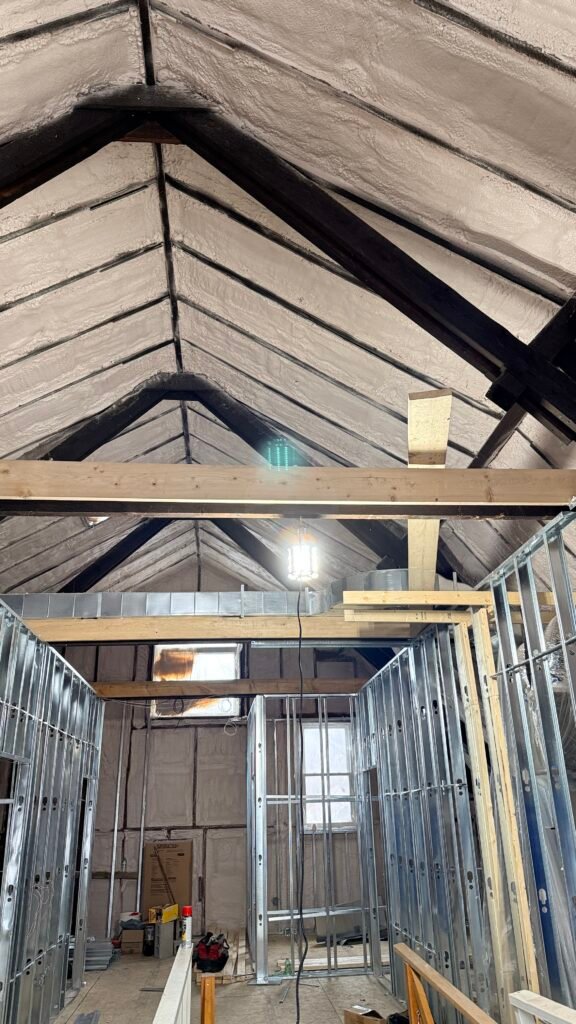
Grant applications that are missing documentation don’t get approved faster by sitting in the review queue. They get flagged, delayed, and sometimes closed without payment if required documents aren’t received within a specified window.
The most common documentation gaps in Barrie grant applications are: missing product spec sheets that confirm the R-value and approval status of the installed product, contractor invoices that describe work in general terms rather than specifying zones and product names, and missing or incorrectly formatted post-retrofit audit reports. Each of these gaps is the homeowner’s responsibility to identify and resolve.
“`
✅ How to Avoid It
- Request itemized invoices from your contractor that specify: product brand and name, installed R-value, and installation zone for every line item
- Ask your contractor for product specification sheets for every material installed before they leave your property
- Confirm with your certified energy advisor that the post-retrofit audit report is formatted correctly for every program you are applying to
- After submission, set a calendar reminder for three weeks out to follow up on application status through the program portal
“`
Your Pre-Application Checklist: Confirm All of These Before Any Work Begins
Every item below takes less than 30 minutes to confirm. The cost of skipping any one of them can run into thousands of dollars in denied or reduced grant funding.
- Pre-retrofit energy audit is booked and confirmed
- No insulation work of any kind has begun
- You have identified every grant program applicable to your project
- Your selected contractor has a documented track record of successful grant completions
- Your contractor has been given a copy of your audit report as the installation specification
- Your contractor understands which products are on program-approved lists
- A post-retrofit audit appointment is provisionally booked
- You know the documentation requirements for every program you are applying to
The Real Cost of These Mistakes at a Glance
| Mistake | Typical Financial Impact | Reversible? |
|---|---|---|
| Starting work before pre-retrofit audit | Full grant loss — $4,000–$8,000+ | No |
| Wrong contractor selected | Partial to full grant loss + remediation cost | Rarely |
| Wrong R-value or zones installed | Reduced grant — $1,000–$4,000 shortfall | Costly |
| Missing post-retrofit audit window | Full grant loss for that project | No |
| Applying to only one program | $1,000–$3,000 in uncollected rebates | Sometimes |
| Incomplete application submission | Delays of 4–12 weeks; potential denial | Usually yes |
About Trust Build Windows and Doors
Trust Build Windows and Doors serves homeowners across Barrie, the Greater Toronto Area, Durham Region, and Kawartha Lakes. We understand that home improvement decisions are significant ones, which is why we bring the decision-making process directly to you.
Our in-home consultants arrive with physical window and door samples, glass pane comparisons showing the real visible and performance differences between double and triple-pane glass, steel versus fiberglass door frame demonstrations side by side, and complete product catalogues — everything you need to make a fully informed choice in the comfort of your own home. No showroom visit required. No pressure, ever.
We offer 0% financing for 12 months on qualifying projects.